

How to Prepare for a House Clearance
Preparing for a house clearance can feel like a big job, particularly if a property has accumulated years of furniture, belongings and unwanted items. Whether you are clearing a house after moving, preparing a property for sale, dealing with an inherited property or emptying a rental property, having a clear plan can make the process much easier.
A professional house clearance company can handle the removal and disposal of unwanted items, but there are several things you can do before the clearance team arrives.
In this guide, we explain how to prepare for a house clearance, what to keep, what to remove and how to make the clearance process as straightforward as possible.
What Is a House Clearance?
A house clearance involves removing unwanted furniture, household items, rubbish and other possessions from a property.
A clearance may involve an entire property or just specific rooms.
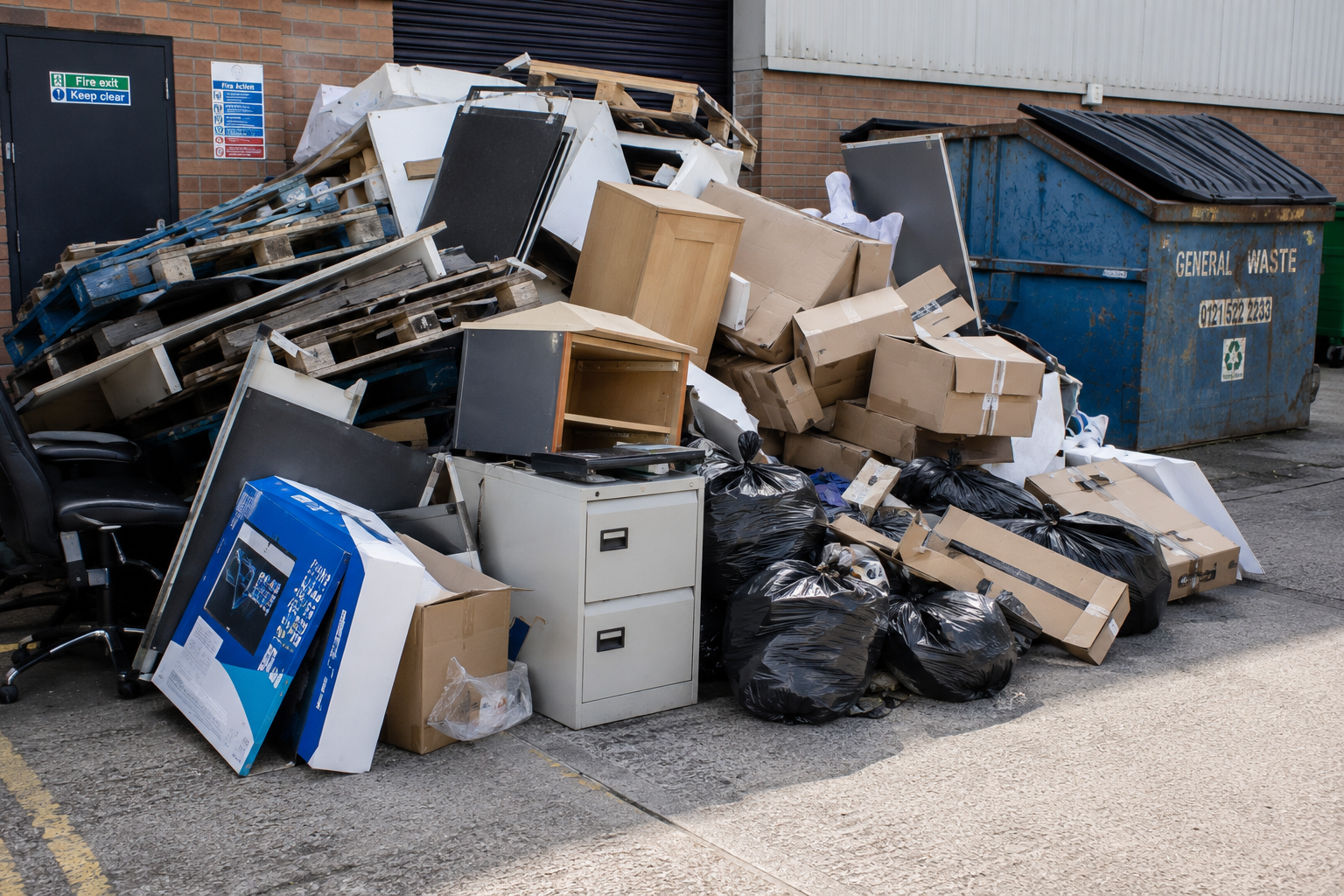
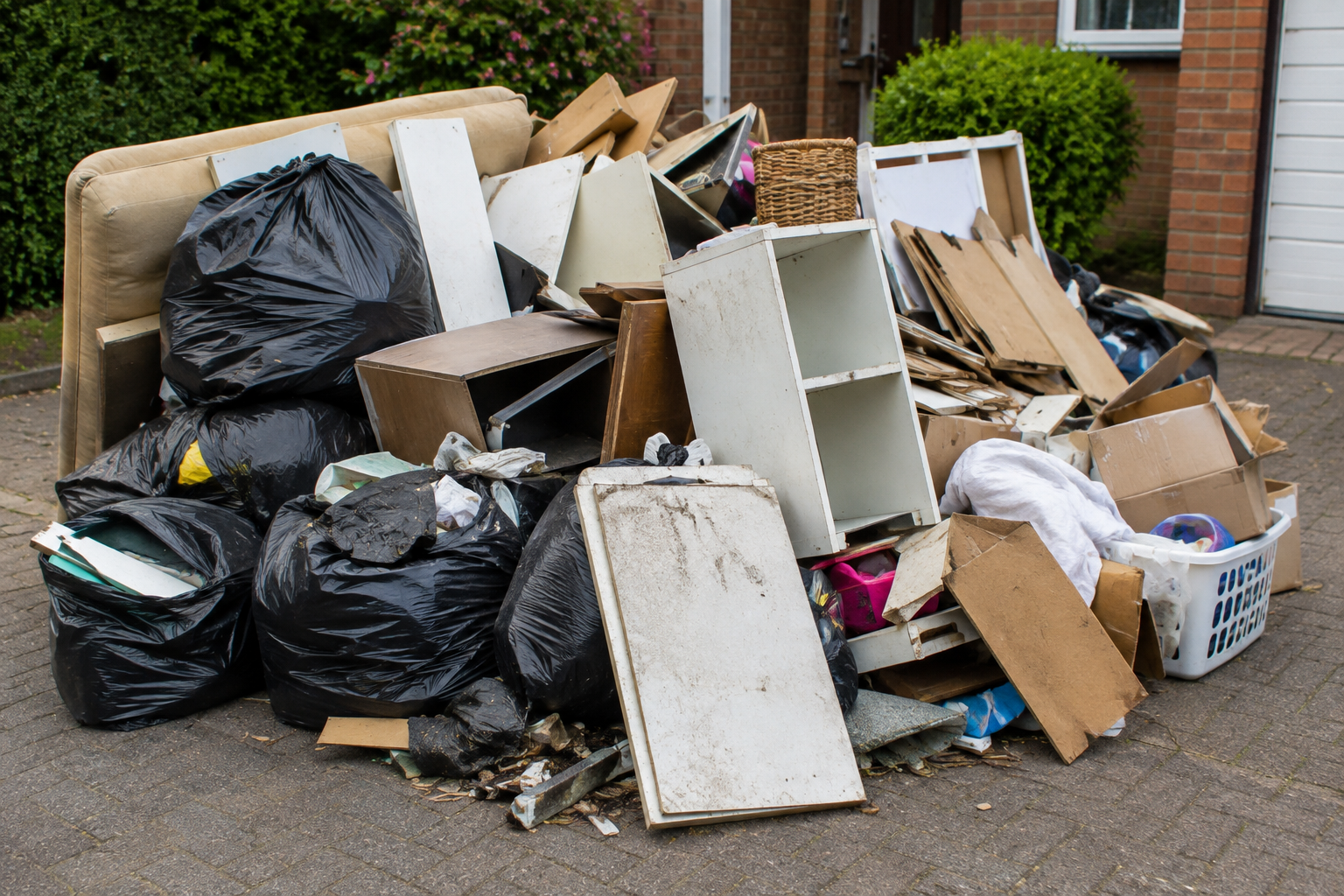
Common items removed during a house clearance include:
- Sofas and chairs
- Beds and mattresses
- Tables and wardrobes
- Kitchen appliances
- Carpets and flooring
- Electrical items
- Garden furniture
- Garage contents
- Boxes and household belongings
- General household waste
- Broken or unwanted items
Professional house clearance services can be particularly useful when there are large quantities of items that would be difficult to transport yourself.
Step 1: Decide What You Want to Keep
The first and most important step is deciding which possessions need to stay.
Go through the property room by room and separate items into clear categories:
Keep: Items you want to retain.
Donate: Items that are still usable but you no longer need.
Sell: Valuable items that could potentially be sold.
Dispose: Broken, damaged or unwanted items.
Unsure: Items you need more time to decide about.
Avoid rushing this process. Once unwanted belongings have been removed, recovering individual items may not be possible.
Step 2: Check Every Room
It is easy to overlook items during a house clearance.
Check:
- Bedrooms
- Loft spaces
- Cupboards
- Kitchen cupboards
- Utility rooms
- Garages
- Sheds
- Garden areas
- Cellars
- Spare rooms
- Under stairs storage
- Attics
Don’t forget drawers, cupboards and storage boxes.
A systematic room-by-room approach can help ensure that important belongings are not accidentally removed.
Step 3: Set Aside Important Documents
Before the clearance begins, look carefully for important paperwork.
This could include:
- Passports
- Birth certificates
- Marriage certificates
- Property documents
- Insurance documents
- Financial paperwork
- Wills
- Bank statements
- Tax records
- Vehicle documents
- Personal photographs
Keep important documents in a secure location away from the clearance area.
If you are clearing a property belonging to someone else, make sure relevant family members or authorised representatives have checked for important paperwork before anything is removed.
Step 4: Remove Personal and Valuable Items
Jewellery, cash, electronics, photographs, sentimental possessions and valuable collectibles should be removed before the clearance team arrives.
Even items that appear insignificant may have sentimental or financial value.
Create a separate area for everything you want to keep and clearly identify it as not for clearance.
Step 5: Decide What to Sell
Some unwanted possessions may have resale value.
Potentially valuable items could include:
- Antique furniture
- Collectibles
- Jewellery
- Quality appliances
- Tools
- Musical instruments
- Vintage items
- Artwork
- Garden equipment
If you intend to sell something, do so before the house clearance whenever possible.
This prevents valuable items from accidentally being included with general clearance waste.
Step 6: Donate Usable Items
Some furniture, clothing and household goods may still be useful to someone else.
Depending on their condition, you may be able to donate suitable items to local charities or community organisations.
Examples include:
- Clothing
- Books
- Furniture
- Kitchenware
- Toys
- Household equipment
Donation options vary depending on the organisation and the type and condition of the goods.
Step 7: Check the Loft and Garage
Lofts and garages are often forgotten when preparing for a house clearance.
These areas can contain years of accumulated possessions.
Check carefully for:
- Tools
- Christmas decorations
- Old furniture
- Boxes
- Sports equipment
- Garden equipment
- DIY materials
- Personal belongings
- Important documents
Garages and lofts can also contain heavy or awkward items, so let your clearance company know about them when requesting a quotation.
Step 8: Prepare the Garden and Outdoor Areas
If you are arranging a complete property clearance, don’t forget the outside areas.
Garden clearance may involve:
- Old garden furniture
- Broken sheds
- Fencing
- Plant pots
- Garden tools
- Timber
- Outdoor equipment
- General garden waste
If you require both house and garden clearance, tell the company when obtaining your quote so the entire job can be assessed.
Step 9: Identify Items That Need Special Disposal
Not every type of waste can necessarily be handled as ordinary household rubbish.
Before the clearance, identify anything that could require specialist handling.
This may include certain chemicals, paints, fuels, gas cylinders, asbestos-containing materials or other hazardous substances.
Tell the clearance company about unusual or potentially hazardous materials before collection rather than placing them with ordinary household waste.
Step 10: Take Photographs Before the Clearance
Taking photographs can be extremely useful.
Photographs can:
- Record the condition of the property
- Help identify items to keep
- Help obtain a more accurate quotation
- Show the clearance company what needs removing
- Provide a record before work begins
If you are requesting an online or telephone quotation, photographs can give the company a better understanding of the size of the clearance.
Step 11: Make Sure There Is Good Access
Think about how the clearance team will access the property.
Check:
- Driveway access
- Parking
- Gates
- Doorways
- Staircases
- Lifts
- Narrow passages
- Communal entrances
If the property has restricted parking or difficult access, explain this when booking the clearance.
Good access can make loading quicker and easier.
Step 12: Check Whether Furniture Needs Dismantling
Large wardrobes, beds, sheds and other bulky items may need to be dismantled before they can be removed.
Ask your house clearance company whether dismantling is included in the service.
Some companies can dismantle larger items as part of the clearance, while others may require certain items to be dismantled beforehand.
Step 13: Arrange Utilities and Property Access
If the property is empty, make sure the clearance company can access it at the agreed time.
Depending on the circumstances, this may mean:
- Providing keys
- Arranging access through an estate agent
- Ensuring gates are unlocked
- Confirming parking arrangements
- Providing alarm instructions
If the property is being cleared following a move or sale, make sure everyone involved knows when the clearance is taking place.
Step 14: Allow Enough Time
Don’t underestimate how long it can take to prepare a property.
A small house clearance may be relatively straightforward, while a large property containing many years of possessions can require considerably more preparation.
Start with the most important rooms and work systematically through the property.
If you are dealing with an inherited property, you may also need to allow additional time for family members to decide what they want to keep.
Preparing an Inherited House for Clearance
Clearing an inherited property can be particularly difficult because belongings may have sentimental value.
Before arranging a full clearance, give family members the opportunity to look through the property.
Create separate areas for:
- Family keepsakes
- Important documents
- Items to sell
- Items to donate
- Items for clearance
Photographs and personal possessions can be especially important, so take time to check cupboards, drawers, lofts and storage areas.
Once the family has agreed what should be kept, a professional house clearance company can usually deal with the remaining items.
Preparing a Rental Property for Clearance
Landlords and letting agents may need a property cleared between tenants.
This could involve removing:
- Abandoned furniture
- Household rubbish
- Broken appliances
- Garden waste
- Carpets
- Unwanted possessions
If the property needs to be ready for new tenants quickly, professional rubbish removal and house clearance can help speed up the process.
How to Make House Clearance Easier
A little preparation can make a significant difference.
Before the clearance team arrives:
- Decide what you want to keep.
- Remove valuable and sentimental possessions.
- Check every room and storage area.
- Separate items for donation or sale.
- Identify unusual or specialist waste.
- Photograph the property and items.
- Arrange suitable access.
- Tell the clearance company about difficult access.
- Confirm exactly what the quotation includes.
- Keep important documents somewhere safe.
What Happens During a Professional House Clearance?
The exact process varies between companies, but a typical house clearance may involve an initial assessment, removal of agreed items, loading, transportation and appropriate disposal or recycling.
The team may work through the property room by room, removing furniture, household goods and other agreed items.
Once the clearance is complete, the property can be left substantially emptier and ready for its next stage, whether that is sale, rental, renovation or occupation.
How Much Does a House Clearance Cost?
The price of a house clearance depends on several factors.
These can include:
- Size of the property
- Amount of waste
- Number and size of furniture items
- Type of waste
- Accessibility
- Number of workers required
- Distance involved
- Disposal costs
- Whether garden or garage clearance is required
For an accurate price, provide the clearance company with as much information as possible. Photographs can often help when requesting an initial quotation.
Choosing a House Clearance Company
When comparing house clearance companies, consider more than just the quoted price.
Ask:
- What is included in the quotation?
- Does the price include loading?
- Are disposal charges included?
- Is recycling available?
- Are bulky items accepted?
- Can furniture be dismantled?
- Are garden and garage clearances available?
- Is the company appropriately registered for the waste it handles?
- Will additional charges apply?
A clear quotation can help avoid misunderstandings and unexpected costs.
Frequently Asked Questions About House Clearance
How long does a house clearance take?
The time required depends on the size of the property and the amount of material being removed. A small clearance may be completed relatively quickly, while a large property containing substantial amounts of furniture and belongings may take considerably longer.
Should I remove valuable items before a house clearance?
Yes. Jewellery, cash, important documents, photographs, collectibles and other valuable or sentimental possessions should be removed and stored safely before the clearance begins.
Do I need to empty the house before the clearance company arrives?
No. A professional house clearance service is normally designed to remove the agreed unwanted items for you. However, you should clearly identify anything that must remain.

Can a house clearance company clear a garage?
Many house clearance companies can also clear garages, sheds and other outbuildings. Tell the company about these areas when requesting a quotation.
Can garden waste be included in a house clearance?
Some companies offer garden clearance alongside house clearance. Confirm this when booking because garden waste and other outdoor materials may require separate handling.
What should I do with important documents?
Remove passports, certificates, financial records, property documents, wills and other important paperwork before the clearance. Store them securely.
Can furniture be removed during a house clearance?
Yes, many house clearance services remove unwanted furniture including sofas, wardrobes, beds, tables, chairs and other bulky household items.
What happens to the items after clearance?
Depending on their condition and type, items may be reused, donated, recycled or disposed of appropriately. Ask your chosen company about its waste disposal and recycling procedures.
Conclusion
Knowing how to prepare for a house clearance can make the entire process much easier.
Start by deciding what you want to keep, remove valuable and sentimental belongings, check every room and storage area, identify specialist waste and make sure the clearance team has suitable access.
Once the property has been prepared, a professional house clearance company can deal with the removal of the unwanted furniture, rubbish and other items.
Whether you are clearing an inherited house, preparing a property for sale, emptying a rental property or simply removing years of unwanted belongings, professional house clearance can save time, effort and the need to arrange multiple trips to disposal facilities.



Related Posts